Manchego cheese, from the Manchego sheep who graze the plains of La Mancha, is arguably Spain's most famous cheese. This cheese is very mellow and blends well with the light flavor of the edible flowers. Zucchini flowers or squash blossoms can be found from late Spring through early Fall. They are extremely delicate, in structure and flavor, and are very perishable. I don't recommend having them for more than 24 hours without using them. You can find them in specialty shops or Italian markets.
INGREDIENTS
2 Flour Tortillas
2 C. Manchego Cheese, shredded
1 Large Red Onion, grilled, julienned
1 C. Zucchini Flowers, sauteed
2 Ears Corn, roasted or grilled
2 Tbsp. Cilantro, chopped
Salt & Pepper
2 Tbsp. Butter

Roast the corn, in its husks, for 20 minutes in a 400 degree oven. Allow the corn to cool, shuck the ears, and cut the kernels out using a knife. Grill the onion until the outside begins to wither, then julienne. If you don't have a grill, simply julienne the onion and then saute. Heat a skillet over medium heat, chop the zucchini flowers, and quickly flash cook the flowers.

Melt 1 Tbsp. of butter per quesadilla over medium high heat. Build your quesadilla by placing a flour tortilla down, sprinkle a little cheese, onion, corn, zucchini flowers, and seasonings. Finish the quesadilla with more cheese and the final tortilla. When the cheese begins to melt, it will spread out and help to seal the quesadilla. Using a spatula, sneak a peek at the underside of the quesadilla. When it is lightly browned, flip the quesadilla over and cook all the way through. This method will yield 8 triangles.
Some people prefer to use only one tortilla for a quesadilla because it doesn't involve the dangerous business of flipping. To construct this kind of quesadilla, lay down one tortilla and build the ingredients on only one side of the tortilla. Fold the tortilla in half and turn it over. This method will yield 4 triangles.

I like to garnish my quesadillas with cilantro and sour cream. Combine sour cream and heavy cream until the mixture is "set" like sour cream, but thin enough to come out of a squirt bottle. Using a squirt bottle allows you to garnish with clean solid lines of the sour cream mixture.


My grocery store enters, like most, into the produce department where on a warm summer afternoon the aroma of fresh fruit overwhelms the passersby with such enticing aromas that you'd be hard pressed not to stop and inspect its splendors. On this particular afternoon, I first smelled peaches and nectarines, then apples and bananas, but finally... finally I was overcome by the sweet scent of fresh Bosc pears. I couldn't resist the aroma. Before I knew it I was frantically searching for the softest, ripest pears on the shelf completely oblivious to the fact that I had lost all composure and was undoubtedly tearing through the fruit like a kid through Christmas wrapping paper. The produce section is utterly intoxicating! This recipe is absolutely incredible and perfect for one such summer afternoon.

INGREDIENTS
1/2 C. Raspberry Vinegar
1/2 C. + 2 Tbsp. Honey, divided
2 Tbsp. Olive Oil
1 C. Pecans, chopped into pieces
1/2 lb. Spinach
2 Bosc Pears, diced
1 C. Gorgonzola, crumbled
TT Salt & Pepper (optional)
TT Oregano (optional)
TT Thyme (optional)

In a mixing bowl, whisk together the raspberry vinegar, honey, and olive oil until well incorporated. Transfer to a squirt bottle and store in the fridge.
To candy the pecans, simply drizzle them with honey and bake them in a 350 degree oven, shaking frequently until lightly toasted (about 5 minutes). I like to make my pecans sweet and savory at the same time, so I toss my pecans with a touch of olive oil to prevent clumping, honey, salt, pepper, oregano, and thyme. Then simply roast them in the oven as specified above. Spread the pecans out on a plate to cool.

At this point, simply build a salad as you normally would. Toss the spinach in a large mixing bowl with a touch of the raspberry vinaigrette to coat. Place the greens on the plate. Garnish the salad with crumbled Gorgonzola cheese, pears, pecans, and drizzle it all with a bit more dressing.

 THIS BLOG IS DEDICATED TO THE LOVING MEMORY OF MY GREAT UNCLE, LONNIE EASON.
Pork and fruit, what a great combo! These dried fruits can withstand the long cooking times needed to braise this dish, and they compliment the pork so well. Tomatillos are such a perfect base for this sauce. Over time, they simply break down and the natural flavors and juices become the sauce that saturates the pork. Tomatillos are related to the tomato, but are also just as closely related to the Cape Gooseberry. They are typically used before they are ripe. A ripe tomatillo is yellow, but most people use them while they are still green. While green, the tomatillo has the aroma and flavor of lemon, apple, and herbs. Because they are under-ripe, the tomatillos do well braising under the low heat, slowly breaking down to become this succulent sauce.
 INGREDIENTS
Pork Tenderloin, cut into chops
2 Tbsp. Olive Oil
2 lbs. Tomatillos, husked, quartered
2 Tbsp. Chipotle Peppers, minced
2/3 C. Apricots (dried)
1/2 C. Cherries (dried)
1 lb. Pears, peeled, cored, cut into 1/2" cubes
1 Cinnamon Stick
1 Tbsp. Oregano
1 Onion, sliced
4 Cloves, Garlic
3 Green Onions, chopped
 Heat the oil over medium high heat. Sear the pork, about 4 minutes each side. Transfer to a holding plate.
 Add the onions to the pan, saute about 2 minutes. Add the garlic and chipotles and saute for one additional minute. Stir in the tomatillos and cinnamon stick. Reduce the heat (to somewhere around low), cover and simmer the mixture for about 20 minutes. Once the tomatillos have begun to break down, add the pears, apricots, and cherries and simmer until the fruit is tender. Braise the fruit as necessary. This should take about 15 minutes.
 Add the pork back to the pan and reheat to desired temperature. Serve with a healthy portion of pork and braised fruit.

 Everyone looks at me funny when I refer to this dish as a casserole. So, let's define the term so that we are all on the same page. According to The Food Lover's Companion, casserole "refers both to a baking dish and the ingredients it contains." The advantage to this kind of cooking is that the food is served in the very same dish in which it was prepared. I made this casserole in a giant metal pot and served it like a family style soup right from the pot. Hearty chunks of vegetables, chicken quarters, and cilantro dumplings with a home-made chicken stock; YUM!
INGREDIENTS
2-4 Chicken Portions (Leg Quarters)
1 Qt. Chicken Stock
2 Leeks, White Part Only, chopped
4 Carrots, chopped
2 Onions, quartered
4 Celery, halved
2 Parsnips, chopped
1 Celeriac, diced
2 Bay Leaves
Thyme Sprigs
3 Lemon Grass Stalks
1 Ginger Root, bruised
Salt & Pepper

Cilantro Dumplings
1-3/4 C. Flour
1 C. Shortening
1/4 C. Cilantro, chopped
3/4 C. Water

Season the chicken with salt and pepper. Heat a pot with oil over medium high heat and brown the chicken on each side. (If using a glass casserole dish, transfer the chicken to the glass dish before following further instructions). Add chicken stock and bring to a boil. Add the vegetables and bring back up to a simmer. Finally, add the herbs, ginger, and season. Cover the casserole and let it simmer for 20 minutes, until the chicken is tender.

If you are not a fan of fat, let the casserole cool down (this will take several hours and can even be done a day ahead of time), and then skim the fat from the surface. If, like me, you don't mind fat, then continue on with the recipe.

To make the dumplings, mix the flour, shortening, and cilantro in a bowl with the water. Knead the dough until it is soft but adheres to itself. Shape them into dumplings. I used spoons to make quenelles. Drop the dumplings into the stock and simmer for 10 minutes. The dumplings will double in size and become fluffy. Remove the ginger from the stock and serve.


Sometimes flawed recipes can turn into delicious mistakes. This recipe is one of those. I set out to make a braised chicken dish and ended up with soup. Errors in recipes are often times salvageable if the recipe is approached from another angle. In this particular instance, I mistakenly incorporated too much liquid, so I thought, why not continue with the recipe, puree everything at the end, add cream, and reduce? So, you'll see many of these ingredients in the future when I remake this recipe for the blog. In the meantime, enjoy this impromptu soup dish.
INGREDIENTS
3 Chicken Portions, leg quarters
1 Gallon Chicken Stock
4 Celery Stalks, halved
3 Leeks, white parts, chopped
2 Red Onions, quartered
4 Carrots, chopped
2 oz. wt. Thyme sprigs
3 Stalks Lemongrass
1 Gingerroot, bruised
1 Bunch Cilantro, chopped
1 Qt. Heavy Cream

Bring the stock to a boil and add the chicken. Boil for 5 minutes and then add the vegetables, herbs, ginger, and bring to a simmer. Cover and let cook for 45 minutes. Remove the pot from the heat, pull the chicken from the stock and remove the meat from the bones. Meanwhile, add the cream and increase the heat to high and reduce the stock by half.

When the soup is reduced and seasoned, use a blender or stick-mixer to puree. Add the pulled chicken back into the soup and heat for 10 minutes.

 The secret to cooking fish is mastering "cuisson" - the point at which it is ready, but not overcooked. Fish firms up during cooking and, when it has reached "cuisson", it will feel firm but give slightly when pressed. The juices leeching from foods can often tell you when they're ready to eat without having to poke or cut them and release all of their flavor.
INGREDIENTS
1 Large Shallot, unpeeled
1 C. Red Wine
1/4 lb. Bacon, diced
2 Tbsp. Olive Oil
1 Tbsp. Garlic, minced
1/4 lb. Baby Button Mushrooms
2 Tbsp. Butter
1 Halibut Steak
1 Bunch Spinach
Coarse Sea Salt
Blanch the shallots for 2 minutes before peeling. Meanwhile, reduce the red wine by half. Saute the bacon until crisp. Remove and set aside.

Heat 1 tbsp. of olive oil. Add the shallots, garlic, and mushrooms. Saute until softened and lightly caramelized. Add the bacon and hold them warm.

Heat the butter and remaining oil in a pan until the butter is foaming. Pan-fry the halibut for a couple of minutes on each side, then remove and let rest.

Heat a pan with oil until very hot. Remove the pan from the heat and add the spinach; season to taste. The residual heat from the pan will wilt the spinach.
Arrange the spinach in the center of the plate and place the halibut on top. Spoon the mushroom mixture over the fish. Add the reduced wine to the original shallot pan, and stir to deglaze. Drizzle the fish with the pan liquid.

 It's almost summertime and that means barbeque. I don't have a grill, so this recipe will be done indoors. If you're fortunate enough to have a grill, just fire up the bratwursts and follow all of the other recipe instructions. This is a great sauce for all cuts of meat, but I especially recommend it on pork. The acidity of the Chianti is smoothed out by brown sugar and melted butter. The fresh sage is the secret to this dish. Acid, sage, and pork are quite possibly the best trio I've discovered so far this year. Try this dish with a light, fruity red wine or summery wheat beer.

INGREDIENTS
1 lb. Pork Sausages (Bratwurst!)
8 Tbsp. Butter, chilled and diced
3 Shallots, thinly sliced
1 Clove Garlic, minced
Fresh Thyme Sprigs
2 C. Chianti
2 Tbsp. Brown Sugar
1 Tbsp. Dijon Mustard
2 Tbsp. Balsamic Vinegar
Salt & Pepper

With good cuts of meat, you want to cook them when they're at room temperature. A steak will always cook better when grilled at room temperature vs. straight out of the refrigerator. You want the bratwursts to baste in their own fat, so DO NOT prick them with a fork.

Once cooked, the fat from within the sausages will begin leaking out when you slice the meat. This fat is pure flavor! If you prick the sausages, all this flavor will leak out during cooking. Grill the sausages until done, if you have the equipment and set aside to rest.

If you're like me, and don't have a grill, sear the bratwursts on medium heat on one side, then flip the brats and place into a preheated 350 degree oven for 10 minutes. Remove them from the oven and allow to rest for 3 minutes. I love to cook my bratwurst in a cast iron skillet. Once I remove the sausage, I pour the pan drippings and pork-infused oil into a jar to use in other dishes later. These sausages release a lot of "liquid flavor". I recommend you save as much as you can. If you sear the sausages on a heat above medium or roast them in the oven above 350, you'll have wonderful sausages, but the pan drippings will burn. This is why I recommend cooking them on a lower temperature once they've been seared.
While the sausages are searing, melt about 2 tablespoons of the butter in a pan, then add the shallots, garlic, and thyme. Cook over medium high heat to caramelize the shallots, then add the wine and brown sugar and bring to a steady boil. Stir the liquid to thoroughly dissolve the sugar. Boil until the wine has reduced by half, about 3 minutes. Remove the thyme sprigs and discard.

Remove the sauce for the heat and whisk in the dijon mustard and the cold butter, a few pieces at a time. Do not add all the butter at once or the sauce will break. Finish the sauce with the balsamic vinegar and season with salt and pepper to taste. I like to serve this dish over herb-whipped mash.

 Puerco Pibil is a slow roasted pork "butt" from the Yucatan in southern Mexico and it is my signature dish. The pork "butt", which actually comes from the shoulder, is slowly roasted in orange juice, vinegar, tequila and a homemade blend of spices on a low temperature for hours. I first learned about this dish from a movie, back in 2003, and have spent the last 7 years perfecting this recipe. It is so good that my vegetarian-friend will eat it every time I make it! If you like spicy food, this recipe is a must. I am happy to share my 7 years of trial-and-error with you. Call all your friends, have some tequila, and enjoy my favorite dish in the entire world!
INGREDIENTS - This recipe makes 10 pounds of pork
10 Tbsp. Annatto Seeds
4 tsp. Cumin Seeds
2 Tbsp. Black Peppercorns
20 Allspice
1 tsp. Whole Cloves
5 Habañeros, fire roasted (use all the seeds and all the veins)
1 C. Orange Juice
1 C. White Vinegar
1/4 C. Salt
16 Cloves of Garlic, roasted
5 Lemons, juiced
Tequila
10 lb. Pork Should (Boston Butt), cut into 2" pieces
Banana Leaves or Turkey Bags
DISCLAIMER - This recipe is extremely spicy! If you don't like spicy food, you should stop reading now. You can control the amount of heat by removing the seeds and veins from the Habañero peppers or by using fewer of them, but this recipe packs a punch.
STAIN DISCLAIMER - The Achiote rub, especially in liquid form, as per later in the recipe, will stain anything it touches! If you spill a small amount of this bright red liquid on your counter-tops, clean it immediately. Annatto seeds are unforgiving and will stain your kitchen, so use care when handling them.

The first task is to create an Achiote rub. You can find Annatto seeds in the Ethnic section of your grocer. I found mine at Bloom (which is a subsidiary of Food Lion). You can also search a Hispanic shop if you know of any. I went out and bought a coffee grinder that I use only for spices. I suggest you do the same. You want to pulverize the annatto, cumin, peppercorns, allspice, and cloves into a fine powder.

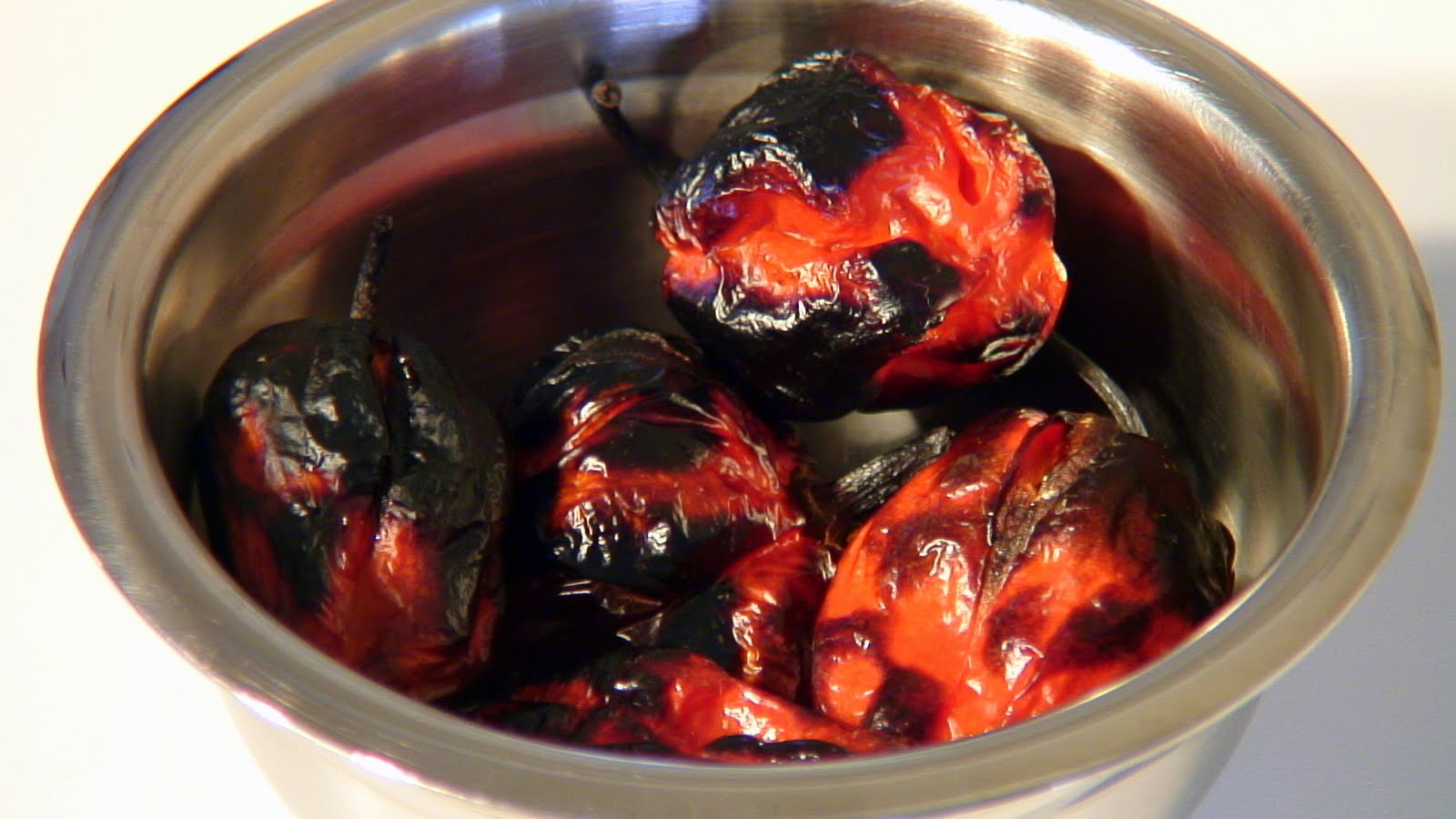
Next, we want to roast our garlic and Habañeros. Place the garlic cloves on a baking sheet and place in the oven. Use the broiler setting to begin coloring the garlic cloves, shake often to mix the cloves. Remove from the oven when the cloves have become the color of honey. Slight charring is okay. Place the Habañeros in the oven using the broiler setting until the skin begins to blister. Rotate each pepper so that all sides become blistered. Remove from the oven and place the peppers in a mixing bowl and cover with plastic wrap. Let cool.
[Latex gloves really help for this next step. If you don't have any powder-free latex gloves, just be sure to wash your hands afterward and DO NOT TOUCH YOUR EYES. And, gentlemen, don't use the bathroom.]

Once the Habañeros are cool, peel off the black skin and discard. All the heat of a pepper is stored in its seeds and in the veins. If you want to cut back on the heat, you can simply remove the seeds and veins or use fewer of the peppers, but the roasting process diminishes the heat from the peppers slightly, so I used all the seeds from all these Habañeros. Combine the Habañeros, vinegar, orange juice, salt, garlic, lemon juice, and tequila and puree. I add about 3 shots of tequila for the whole dish. And get the good stuff! None of that cheap tequila. You're going to have a lot of tequila left over, so cook with what you like to drink.

Once the mixture is pureed, using a food processor, blender, or stick mixer, combine with the Achiote rub.

Cut the pork into 2" pieces, discarding NONE of the fat.

Place the pork into a turkey bag and pour the liquid Achiote mixture over the pork. Mix well, keeping in mind the stain disclaimer. Place the turkey bag into a baking tray and securely seal the bag. Poke ventilation holes in the bag to prevent exploding (I'm not kidding). Bake at 325 degrees for 2 hours. Serve over a bed of white rice.
[I've never found Banana Leaves, but if you have them, line the pan with the leaves, place the pork on the leaves, pour the mixture over the pork, and wrap the leaves over the pork again. Increase baking time to 3-4 hours instead of 2 hours.]

THE MOST IMPORTANT DISCLAIMER YET...
OVERCOOKING DISCLAIMER - Thanks to improved feeding techniques, trichinosis in pork is now rarely an issue. Normal precautions should still be taken, however, such as washing anything (hands, knives, cutting boards, etc.) that comes in contact with raw pork and never tasting uncooked pork. Cooking it to an internal temperature of 137 degrees will kill any trichinae. Let me say that again... Cooking it to an internal temperature of 137 degrees will kill any trichinae. However, allowing for a safety margin for thermometer inaccuracy, most experts recommend an internal temperature of from 150 to 165 degrees, which will still produce a juicy, tender result. The 170 to 185 degree temperature recommended in many cookbooks produces overcooked meat.

 I've said it many times before - "this recipe is so simple". Well, this time it isn't. You need a lot of ingredients, a lot of time, and a lot of patience. There is a lot of prep involved with this soup. If you take the time to do ALL of your prep before you begin you'll be able to make this dish by simply adding ingredients when the time is right. I recommend taking two days to make this soup. The first day will be set aside for prepping only. The second day will be the actual cooking. If you do everything that is laid out in this recipe on day one, then day two will be "so simple".[I will be making this dish 100% from scratch, but many of the raw ingredients can be substituted for canned products. These ingredients will be marked with an asterisk (*) for those who wish to follow the canned version of the recipe.]
INGREDIENTS
4 Tbsp. Butter
3 Carrots, diced (6 oz. wt.)
3 Celery, diced (6 oz. wt.)
3 Onions, diced (6 oz. wt.)
1/4 C. Garlic, minced
8 C. Vegetable Stock
1 Tbsp. Basil
2 Tbsp. Oregano
1/2 tsp. Crushed Red Pepper
1/2 tsp. Thyme
1 Bay Leaf
1/2 tsp. Black Pepper
1-1/2 lb. Tomatoes, diced, skin removed*[1]
2 C. Cannelini Beans*[2]
1 C. Garbanzo Beans (also called Chickpeas)*[3]
2 C. Idaho Potatoes, diced
3/4 C. Parmesan, grated
2 Tbsp. Pine Nut Pesto [recipe follows]
TT Spinach

Pine Nut Pesto
2 Tbsp. Pine Nuts
1 Tbsp. Garlic, minced
1/2 tsp. Salt
1/4 tsp. Pepper
1 oz. wt. Parsley
2 oz. wt. Fresh Basil
3/4 C. Olive Oil
3 Tbsp. Parmesan, grated

Day One - Heavy Prep
For the pesto, I use a stick-mixer, but a food processor or blender will work as well. Place all the ingredients except for the oil into the process and pulse. Once the the ingredients are coarsely chopped up, puree them on a high speed while slowly pouring in the olive oil. Continue blending until everything is well incorporated. Place in the fridge to set overnight.
Removing the skin from the tomatoes can be a tricky process. Boil a pot of water large enough to hold all the tomatoes. Prepare a container of ice water as well. I prefer using romas whenever I have to skin tomatoes. With a paring knife, cut out the stem on the top by inserting the blade at a forty-five degree angle and rotating the tomato all the way around. On the bottom of the tomato carve an "X" (approximately 1/4" deep). Drop all the tomatoes into the boiling water and blanch for 90 seconds. Quickly remove the tomatoes and place them in the ice water for later use.
*[1] If using canned tomatoes, skip this step. Buy two 28oz cans of whole peeled tomatoes and dice them.
Place 1 Cup of cannelini beans in a container and cover with cold water. Place in the fridge overnight. The beans will soften and double in size to produce about 2 cups of beans. If you don't have enough time to soak them overnight, you can boil the raw beans for about 30 minutes before adding them to the soup. If you can't find Cannelini beans, you can substitute Great Northern White kidney beans. They're part of the same family.
*[2] If using canned cannelini beans, skip this step. Buy two cups of beans and add them to the soup when specified.
Place the garbanzo beans in a container and cover with cold water. Place in the fridge overnight.
*[3] If using canned garbanzo beans, skip this step. Buy one cup of beans and add them to the soup when specified.
Dice the potatoes until you have about 2 cups and place in cold water to prevent browning. Hold them cold in the fridge overnight.
Dice the mirepoix (carrots, onions, and celery) with the garlic and place in the fridge overnight. You can put them all in the same container.
By this time, the tomatoes should be ready to peel. Remove one tomato at a time and, using your fingers, peel back the skin. The skin should come off easily and require very little effort. Some of the tomatoes may slip out of the skin on their own. Once all the tomatoes have been skinned, either dice them (saving all the juice) or hand-crush them into a container and hold in the fridge overnight.
Combine all of your spices in a small bowl and set aside.

Day Two - Mise en Place
In a heavy bottomed pot, over medium high heat, melt the butter. Add the carrots, celery, onions, garlic, and spices and saute until soft (about 12 minutes). Be sure to stir frequently. Don't be afraid if the bottom of the pan starts to become spotty with brown "cracklin". This is called fond and fond = flavor. All of this fond will be released from the pan when liquid is added.
When the vegetables are soft, add the stock to the pot and bring everything to a boil. Add the cannelini beans, garbanzo beans, potatoes, and tomatoes. Simmer everything for about 30-40 minutes to blend all the flavors.
When the potatoes and beans are softened, turn off the heat and stir in the parmesan cheese and pesto. Finish the soup with fresh spinach.