THIS BLOG IS DEDICATED TO THE LOVING MEMORY OF MY GREAT UNCLE, LONNIE EASON.
Pork and fruit, what a great combo! These dried fruits can withstand the long cooking times needed to braise this dish, and they compliment the pork so well. Tomatillos are such a perfect base for this sauce. Over time, they simply break down and the natural flavors and juices become the sauce that saturates the pork. Tomatillos are related to the tomato, but are also just as closely related to the Cape Gooseberry. They are typically used before they are ripe. A ripe tomatillo is yellow, but most people use them while they are still green. While green, the tomatillo has the aroma and flavor of lemon, apple, and herbs. Because they are under-ripe, the tomatillos do well braising under the low heat, slowly breaking down to become this succulent sauce.
 INGREDIENTS
Pork Tenderloin, cut into chops
2 Tbsp. Olive Oil
2 lbs. Tomatillos, husked, quartered
2 Tbsp. Chipotle Peppers, minced
2/3 C. Apricots (dried)
1/2 C. Cherries (dried)
1 lb. Pears, peeled, cored, cut into 1/2" cubes
1 Cinnamon Stick
1 Tbsp. Oregano
1 Onion, sliced
4 Cloves, Garlic
3 Green Onions, chopped
 Heat the oil over medium high heat. Sear the pork, about 4 minutes each side. Transfer to a holding plate.
 Add the onions to the pan, saute about 2 minutes. Add the garlic and chipotles and saute for one additional minute. Stir in the tomatillos and cinnamon stick. Reduce the heat (to somewhere around low), cover and simmer the mixture for about 20 minutes. Once the tomatillos have begun to break down, add the pears, apricots, and cherries and simmer until the fruit is tender. Braise the fruit as necessary. This should take about 15 minutes.
 Add the pork back to the pan and reheat to desired temperature. Serve with a healthy portion of pork and braised fruit.

 It's almost summertime and that means barbeque. I don't have a grill, so this recipe will be done indoors. If you're fortunate enough to have a grill, just fire up the bratwursts and follow all of the other recipe instructions. This is a great sauce for all cuts of meat, but I especially recommend it on pork. The acidity of the Chianti is smoothed out by brown sugar and melted butter. The fresh sage is the secret to this dish. Acid, sage, and pork are quite possibly the best trio I've discovered so far this year. Try this dish with a light, fruity red wine or summery wheat beer.

INGREDIENTS
1 lb. Pork Sausages (Bratwurst!)
8 Tbsp. Butter, chilled and diced
3 Shallots, thinly sliced
1 Clove Garlic, minced
Fresh Thyme Sprigs
2 C. Chianti
2 Tbsp. Brown Sugar
1 Tbsp. Dijon Mustard
2 Tbsp. Balsamic Vinegar
Salt & Pepper

With good cuts of meat, you want to cook them when they're at room temperature. A steak will always cook better when grilled at room temperature vs. straight out of the refrigerator. You want the bratwursts to baste in their own fat, so DO NOT prick them with a fork.

Once cooked, the fat from within the sausages will begin leaking out when you slice the meat. This fat is pure flavor! If you prick the sausages, all this flavor will leak out during cooking. Grill the sausages until done, if you have the equipment and set aside to rest.

If you're like me, and don't have a grill, sear the bratwursts on medium heat on one side, then flip the brats and place into a preheated 350 degree oven for 10 minutes. Remove them from the oven and allow to rest for 3 minutes. I love to cook my bratwurst in a cast iron skillet. Once I remove the sausage, I pour the pan drippings and pork-infused oil into a jar to use in other dishes later. These sausages release a lot of "liquid flavor". I recommend you save as much as you can. If you sear the sausages on a heat above medium or roast them in the oven above 350, you'll have wonderful sausages, but the pan drippings will burn. This is why I recommend cooking them on a lower temperature once they've been seared.
While the sausages are searing, melt about 2 tablespoons of the butter in a pan, then add the shallots, garlic, and thyme. Cook over medium high heat to caramelize the shallots, then add the wine and brown sugar and bring to a steady boil. Stir the liquid to thoroughly dissolve the sugar. Boil until the wine has reduced by half, about 3 minutes. Remove the thyme sprigs and discard.

Remove the sauce for the heat and whisk in the dijon mustard and the cold butter, a few pieces at a time. Do not add all the butter at once or the sauce will break. Finish the sauce with the balsamic vinegar and season with salt and pepper to taste. I like to serve this dish over herb-whipped mash.

 Puerco Pibil is a slow roasted pork "butt" from the Yucatan in southern Mexico and it is my signature dish. The pork "butt", which actually comes from the shoulder, is slowly roasted in orange juice, vinegar, tequila and a homemade blend of spices on a low temperature for hours. I first learned about this dish from a movie, back in 2003, and have spent the last 7 years perfecting this recipe. It is so good that my vegetarian-friend will eat it every time I make it! If you like spicy food, this recipe is a must. I am happy to share my 7 years of trial-and-error with you. Call all your friends, have some tequila, and enjoy my favorite dish in the entire world!
INGREDIENTS - This recipe makes 10 pounds of pork
10 Tbsp. Annatto Seeds
4 tsp. Cumin Seeds
2 Tbsp. Black Peppercorns
20 Allspice
1 tsp. Whole Cloves
5 Habañeros, fire roasted (use all the seeds and all the veins)
1 C. Orange Juice
1 C. White Vinegar
1/4 C. Salt
16 Cloves of Garlic, roasted
5 Lemons, juiced
Tequila
10 lb. Pork Should (Boston Butt), cut into 2" pieces
Banana Leaves or Turkey Bags
DISCLAIMER - This recipe is extremely spicy! If you don't like spicy food, you should stop reading now. You can control the amount of heat by removing the seeds and veins from the Habañero peppers or by using fewer of them, but this recipe packs a punch.
STAIN DISCLAIMER - The Achiote rub, especially in liquid form, as per later in the recipe, will stain anything it touches! If you spill a small amount of this bright red liquid on your counter-tops, clean it immediately. Annatto seeds are unforgiving and will stain your kitchen, so use care when handling them.

The first task is to create an Achiote rub. You can find Annatto seeds in the Ethnic section of your grocer. I found mine at Bloom (which is a subsidiary of Food Lion). You can also search a Hispanic shop if you know of any. I went out and bought a coffee grinder that I use only for spices. I suggest you do the same. You want to pulverize the annatto, cumin, peppercorns, allspice, and cloves into a fine powder.

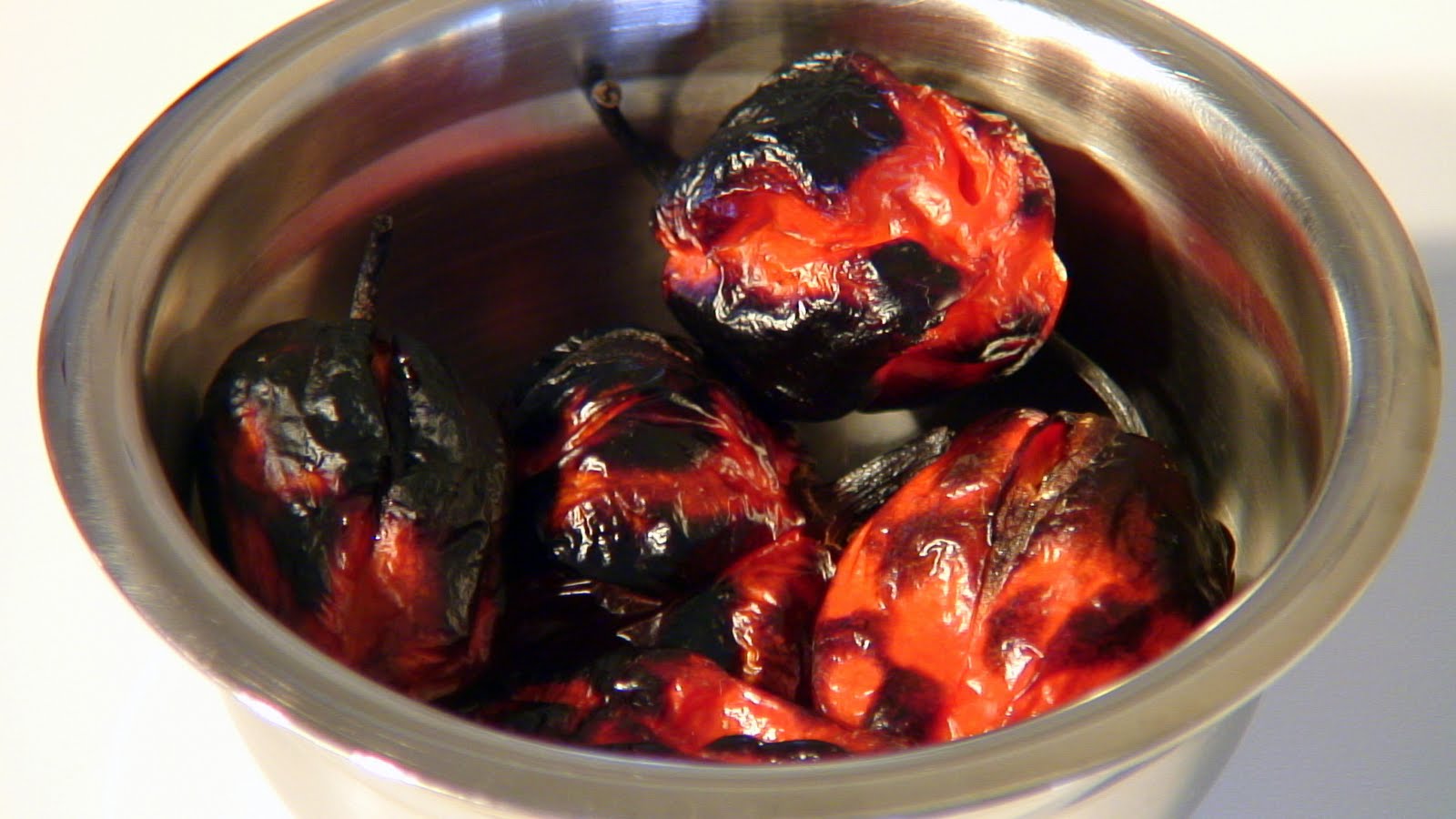
Next, we want to roast our garlic and Habañeros. Place the garlic cloves on a baking sheet and place in the oven. Use the broiler setting to begin coloring the garlic cloves, shake often to mix the cloves. Remove from the oven when the cloves have become the color of honey. Slight charring is okay. Place the Habañeros in the oven using the broiler setting until the skin begins to blister. Rotate each pepper so that all sides become blistered. Remove from the oven and place the peppers in a mixing bowl and cover with plastic wrap. Let cool.
[Latex gloves really help for this next step. If you don't have any powder-free latex gloves, just be sure to wash your hands afterward and DO NOT TOUCH YOUR EYES. And, gentlemen, don't use the bathroom.]

Once the Habañeros are cool, peel off the black skin and discard. All the heat of a pepper is stored in its seeds and in the veins. If you want to cut back on the heat, you can simply remove the seeds and veins or use fewer of the peppers, but the roasting process diminishes the heat from the peppers slightly, so I used all the seeds from all these Habañeros. Combine the Habañeros, vinegar, orange juice, salt, garlic, lemon juice, and tequila and puree. I add about 3 shots of tequila for the whole dish. And get the good stuff! None of that cheap tequila. You're going to have a lot of tequila left over, so cook with what you like to drink.

Once the mixture is pureed, using a food processor, blender, or stick mixer, combine with the Achiote rub.

Cut the pork into 2" pieces, discarding NONE of the fat.

Place the pork into a turkey bag and pour the liquid Achiote mixture over the pork. Mix well, keeping in mind the stain disclaimer. Place the turkey bag into a baking tray and securely seal the bag. Poke ventilation holes in the bag to prevent exploding (I'm not kidding). Bake at 325 degrees for 2 hours. Serve over a bed of white rice.
[I've never found Banana Leaves, but if you have them, line the pan with the leaves, place the pork on the leaves, pour the mixture over the pork, and wrap the leaves over the pork again. Increase baking time to 3-4 hours instead of 2 hours.]

THE MOST IMPORTANT DISCLAIMER YET...
OVERCOOKING DISCLAIMER - Thanks to improved feeding techniques, trichinosis in pork is now rarely an issue. Normal precautions should still be taken, however, such as washing anything (hands, knives, cutting boards, etc.) that comes in contact with raw pork and never tasting uncooked pork. Cooking it to an internal temperature of 137 degrees will kill any trichinae. Let me say that again... Cooking it to an internal temperature of 137 degrees will kill any trichinae. However, allowing for a safety margin for thermometer inaccuracy, most experts recommend an internal temperature of from 150 to 165 degrees, which will still produce a juicy, tender result. The 170 to 185 degree temperature recommended in many cookbooks produces overcooked meat.

 Summertime is fast approaching and as the weather warms up, so will the grills - bratwurst, burgers, and beers! This recipe is a quick pan roasted dish with balsamic vinegar, fresh herbs, tomatoes, and two kinds of delicious Bratwurst sausages. It's a sweet and spicy meal that goes perfectly with a light beer on a warm Summer's evening surrounded by friends.
INGREDIENTS
2-1/2 lb. Bratwurst [I use 1/2 Hot & 1/2 Sweet]
6 Cloves Garlic, sliced or minced
4 Red Onions, sliced
1/4 C. Olive Oil
2 lb. Cherry Tomatoes
1/2 C. Balsamic Vinegar
1/2 lb. Fresh Basil, torn
TT Salt & Pepper

Add the Bratwurst, onions, and garlic to a roasting pan. Season with olive oil and salt and pepper. Mix everything around so that all the ingredients are coated with oil and seasonings. Bake in a 375 degree oven for about 15 minutes, or until slightly browned and caramelized.
DO NOT OVERCOOK.
When the sausages have color, remove the pan from the oven. Add the tomatoes and balsamic vinegar and return to the oven until the tomatoes begin to break down, about 12 minutes. Add the fresh basil and allow the herbs to steep in the oil, broken down tomatoes, and sausage juice.

 This recipe works wonderfully with Chorizo, but my favorite sausage is Bratwurst, so I couldn't resist the temptation. The caramelized onions add a sweetness that compliments the spicy Bratwurst; while the mushrooms add a meaty flavor to the light acidic vinaigrette. The hearty flavors in this salad are perfect alongside a spiced apple cider on a winter's night or an ice-cold beer on a warm summer's evening.
INGREDIENTS
1/2 lb. Bratwurst, casing removed
1/4 lb. Mushrooms, sliced
1 Red Onion, sliced
2 Tbsp. C. Olive Oil
2 Tbsp. Apple Cider Vinegar
2 tsp. Sugar
1/2 lb. Spinach

Heat olive oil over medium high heat until smoking. Saute mushrooms, about 4 minutes, or until golden. While the mushrooms are cooking, cut the sausage out of the casing and discard the casing. Remove the mushrooms, reserving the oil.
Crumble the sausage meat and add to the pan. Render the bratwurst fat in the mushroom oil, about 5 minutes. Add the onion and caramelize, about 5 minutes. Add the mushrooms back to the pan with vinegar and sugar. Mix well to incorporate. Heat about 2 minutes. Place the spinach in a mixing bowl. Remove the sausage mixture from the heat and combine with the spinach. Toss the ingredients in the mixing bowl.
The heat from the sausage, onion, and mushroom mixture will slightly wilt the spinach and the bratwurst fat, combined with the oil and vinegar will create a 'hot vinaigrette'. Serve the salad on a warm plate and garnish with freshly cracked pepper and olive oil.


Cliff's Meat Market sits across from the Carrboro Town Hall a few blocks from the UNC campus in Chapel Hill, North Carolina. I was visiting family in the area and decided to stop by. I left Chapel Hill in 2000 and was pleasantly surprised to see that Cliff's Meat Market was still in business. The front display case was full of beautiful cuts of beef, pork, chicken, and fish. I ordered two pounds of pork which were custom cut into chops with a reciprocating bone saw. There are some great grocers where I live now, but nothing is as fresh as the meat you'll find at Cliff's. With pork in hand, I called my father and told him to fire up the grill.
[I went to college in the mountains where fly fishing is very popular. This recipe first came about for use with trout. Trout is actually my favorite meat to use this recipe with. I'd never tried this recipe with pork until now, and am very happy with the results, but if you don't eat pork, you can still use this recipe, as it appears, on your favorite fish.]
INGREDIENTS
4 Pork Chops
1 Tbsp. Salt
1 Tbsp. Garlic Powder
1/2 Tbsp. White Pepper
1 tsp. Oregano
1 Tbsp. Onion Powder
1/2 Tbsp. Black Pepper
1/4 Tbsp. Cayenne
1 tsp. Thyme
1 Tbsp. Paprika
1 tsp. Orange Zest
1 tsp. Lemon Zest
1 tsp. Lime Zest
1 tsp. Jalapenos, minced
1/4 C. Cilantro, chopped
1 C. Jellied Cranberry Sauce
4 Granny Smith Apples, small diced
6 Green Onions, sliced

Start by letting the pork chops rest and come up to room temperature. While the pork is resting, combine the salt, garlic powder, white pepper, oregano, onion powder, black pepper, cayenne, thyme, and paprika in a mixing bowl to create a dry spice rub. Season the pork with the dry rub and let sit to marinate while you make the chutney.
The flavors of the fresh fruit and spicy peppers are a great combination. The jellied cranberry sauce acts as a binder for all the ingredients. It also cools down the heat from the jalapenos. While the pork is marinated in the dry rub, prepare the chutney. Combine the zests, jalapenos, cilantro, apples, and onions in a bowl, mix well, and place in the fridge to set. It's best to cut the cilantro right before adding it to the chutney. The flavor stays strong and fresh without bruising or browning the cilantro leaves. You can also add a small amount of the citrus juice from the orange, lemon, and lime (optional).
With the chutney in the fridge, and the pork marinated, head over to the grill. I seared the pork on each side for about 2 minutes, then moved them to the cooler part of the grill to continue cooking. Once the pork is cooked, let it rest about 2 more minutes away from heat, top it with the cranberry-apple chutney and serve it with your favorite sides.

[Almost every cookbook I've ever read recommends cooking pork to 170-185 degrees. I promise that this will result in overcooked meat. The real danger in pork comes from Trichinosis, which is killed at 137 degrees. To leave a safe margin for thermometer inaccuracy, I strongly recommend cooking your pork to 150-165 degrees. The pork will be tender and incredibly juicy.]

When you think Thai food, you probably think Coconut Milk or Curry. I know I do. However, this simple marinade incorporates many of the hallmark flavors associated with Thai cuisine and yet is made with a vinegar base and sugar added for balance. My favorite part of this marinade is the combination of cilantro and fresh ginger. These two flavors put together are quite incredible.
INGREDIENTS
Pork Chops
1 cup White Vinegar
3/4 cup Sugar
1/4 tsp. Cayenne Pepper
1/4 cup Fish Sauce
2 Tbsp. Fresh Grated Ginger
2 Tbsp. Minced Garlic
1 cup Cilantro
Combine your vinegar, sugar, cayenne, fish sauce, ginger, and garlic in a saucepan and simmer until the sugar dissolves completely (approx 3 minutes). Once the sugar is completely dissolved, remove the marinade from the heat and set aside to cool. When cool, add the chopped cilantro.
 Marinate your pork with the Thai marinade but reserve a little extra sauce for later (perhaps 1/4 cup will do). Chill both the marinated pork and the reserved sauce for 24 hours. Strain the reserved marinade through a chinois or fine mesh strainer to remove the cilantro, garlic, and ginger. You want only a smooth mixture of the vinegar, sugar, and spices to come through your strainer. We are making a gastrique.

gastrique [gah-STREEK] French for "gastric," referring culinarily to a syrupy reduction of caramelized sugar and vinegar. Gastriques are typically used in savory dishes that include fruit, such as oranges or tomatoes.
While the pork is cooking, slowly heat the strained gastrique so as not to burn the sugar. When the pork is ready, remove the gastrique from the heat as well. Plate your pork and serve your gastrique either on the side or drizzled over your pork.


The title says it all. Hearty and straight forward. This was dinner on the first night of Edible Menu's existence so I thought it only fitting to incorporate it into the blog. This dish is amazingly flavorful and can essentially be made with only three ingredients; pork, onion, and tomato; but of course we'll throw in some salt, pepper, mustard, garlic, lemon, and scallions because we can!
INGREDIENTS
1 Pork Chop
TT Salt & Pepper
2 Tbsp. Lemon Juice
2 Tbsp. Dry Mustard
1/2 Onion, diced
1 Tbsp. Garlic
1 can (14.5oz.) Stewed Tomatoes
(optional) Scallions, for garnish
Start with a thick, center-cut pork chop. Season with sea salt and crack pepper, then rub with dry mustard. Sprinkling with a touch of lemon juice and letting it sit out for 30 minutes will help add a nice zest as well. Render the fat side first, then sear each side for a few minutes (taking care not to burn the mustard powder).

Sweat about half an onion and a touch of garlic until transluscent and aromatic. Add in your tomatoes and simmer covered for about 12 minutes.

If you know how to peel tomatoes (concasse), it is recommended, but canned stewed tomatoes work just as well for this recipe. If you need to, remove your pork when the desired temperature has been reached and hold warm while continuing to reduce the tomatoes. Spoon the tomatoes over the pork and garnish with fresh cut scallions.